
What are the state’s climate policies for farming, forestry and land use?
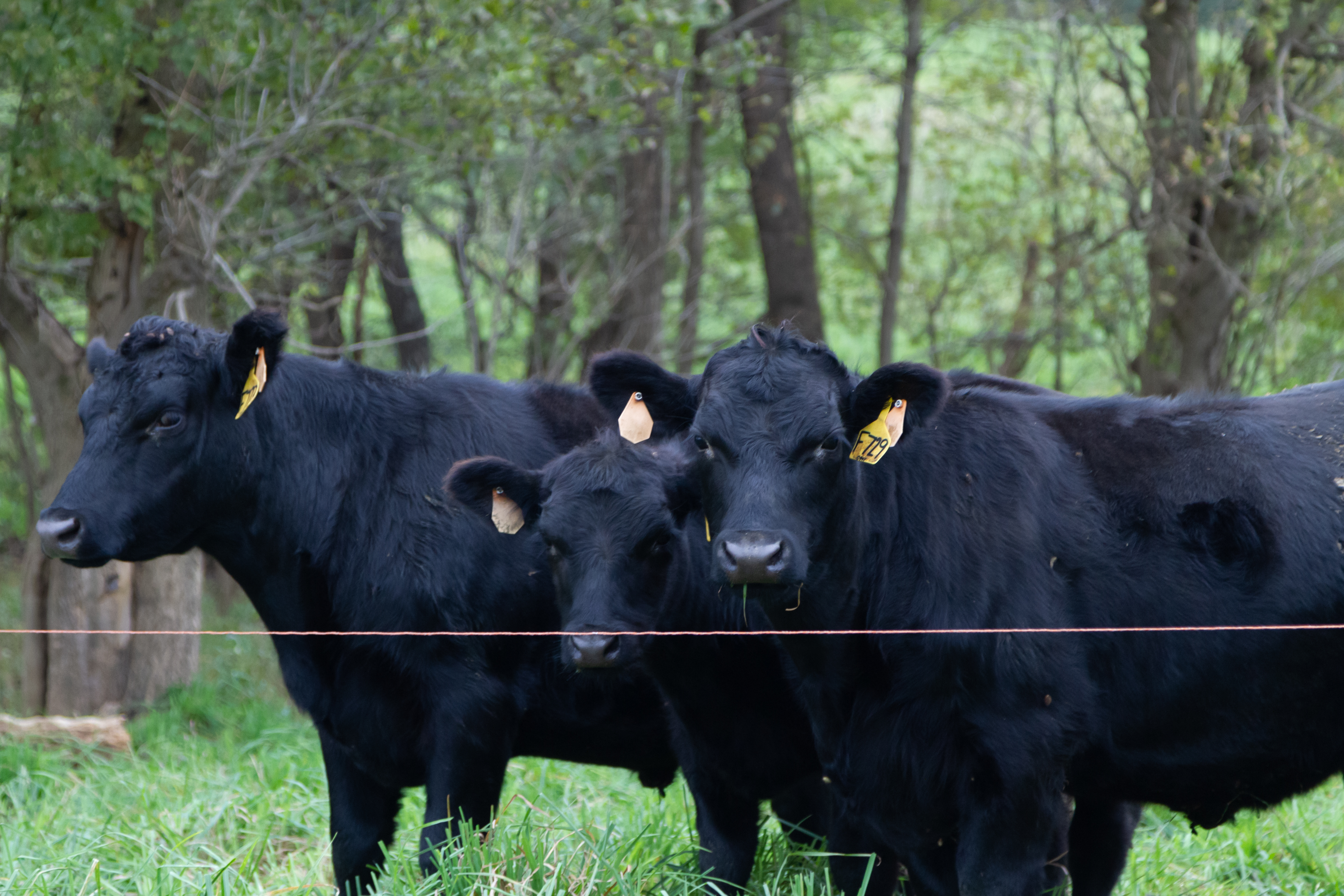
- Agricultural emissions comprised 4% of the state’s greenhouse gas emissions in 2020. Those emissions come from cattle, animal waste and fertilizer.
- Maryland has nutrient management regulations, and the Maryland Department of Agriculture helps farmers pay for manure management, including transportation, storage and treatment.
- Maryland’s Healthy Soils Program has a competitive grant for soil health technology and has a cost-share program for farmers who use cover crops. The department also helps farmers pay for equipment to rotate where livestock graze to promote soil health.
- A new state program was passed this year to reward good land stewardship. The Leaders in Environmentally Engaged Farming program would give incentives to farmers who use practices that benefit communities and conservation.
- Forests pull more carbon out of the atmosphere than they emit, and the state wants to take advantage of that. A 2021 law directs the state to plant 5 million native trees in 10 years. This program is on top of regular tree plantings the state already does.
- Foresters with the Department of Natural Resources work on sustainable management throughout Maryland’s certified-sustainable state forests. This includes planting young trees, which pull more carbon from the atmosphere than old growth trees.
- Legislation was passed this session to define “sustainable growth.” It’s a multipronged approach that includes focusing on land, ecology and transportation alternatives, among other principles.
Who’s paying for it?
- This year’s state budget cut some funding to the 5 Million Trees Initiative, but the Department of Natural Resources said the cuts don’t impact the project.
- Funding for manure management grants comes from bonds and environmental trust funds.
- The Healthy Soils Program has $500,000 set aside annually in the state budget through 2028, though money from both an environmental trust fund and from federal programs has also been used for the program.
- The Leaders in Environmentally Engaged Farming program has $500,000 set aside for the next fiscal year.
What progress has been made so far?
- The Leaders in Environmentally Engaged Farming program, passed in the General Assembly this spring, commits $900,000 annually to making Maryland farms more environmentally friendly.
- The Maryland Forest Service is projected to plant 260,000 trees this year, and more than 1 million trees have been planted under the 5 Million Trees initiative so far.
Sources for this Q&A: 5 Million Trees for Maryland; Apartment and Office Building Association of Metropolitan Washington; CalMatters; Chesapeake Climate Action Network; Dr. Donald Boesch (president emeritus of the University of Maryland Center for Environmental Science); Industry Dive; Inside Climate News; International Energy Agency; Maryland Department of Agriculture; Maryland Department of the Environment; Maryland Department of Legislative Services; Maryland Department of Natural Resources; Maryland Department of Planning; Maryland Department of Transportation; Maryland Department of Transportation Motor Vehicle Administration; Maryland Energy Administration; Maryland General Assembly; Maryland Matters; Maryland Office of People’s Counsel; Maryland Public Service Commission; Maryland Register (Maryland Division of State Documents); Montgomery Community Media; NPR; Office of Gov. Wes Moore; Office of the Attorney General of California; Politico; Reuters; S&P Global; The Baltimore Sun; The Regional Greenhouse Gas Initiative (rggi.org); The White House; U.S. Department of Energy Alternative Fuels Data Center; U.S. Department of Transportation Federal Highway Administration; U.S. Energy Information Administration; U.S. Environmental Protection Agency; U.S. Rep. Sarah Elfreth.