

TEMPLE HILLS, Md. – When Milton Green’s apartment lost heat last winter, he placed a call to the management company that operated the apartment building where he lives. For a month, the 75-year-old said, the company did nothing—except bring him a small space heater.
Now, the owners and managers of Heather Hill Apartments are ordered to pay back an estimated $11.2 million in restitution to tenants like Green. They endured unsafe conditions for years, Maryland Attorney General Anthony Brown said, while the landlords operated the building for more than two years without a rental housing license, in violation of Prince George’s County Code.
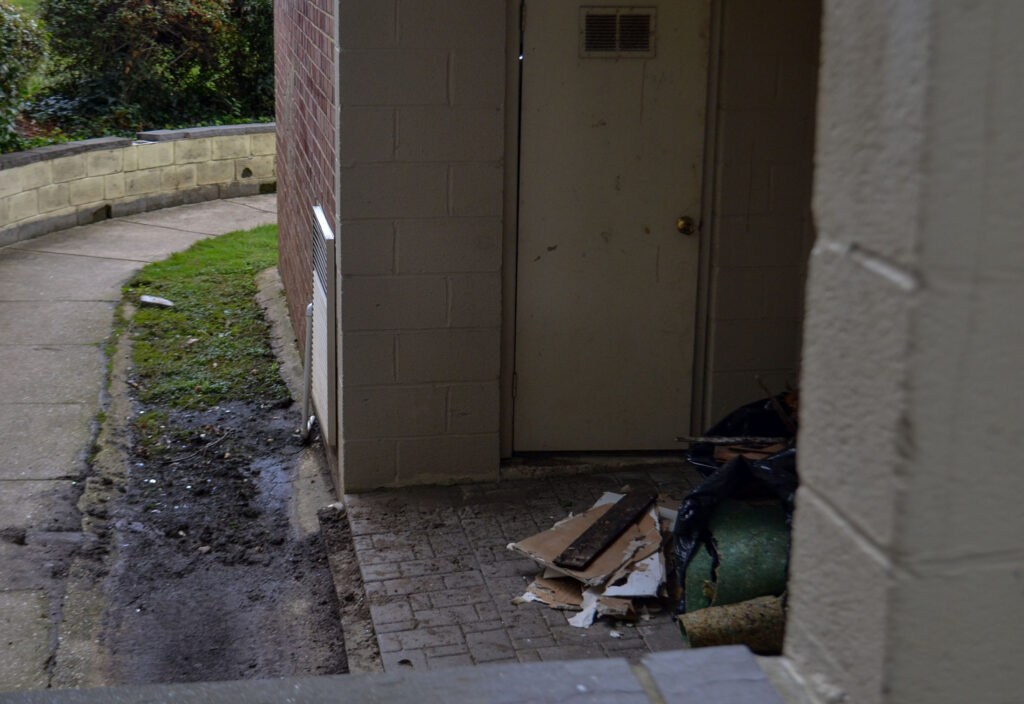
Residents of the 459-unit apartment complex experienced “mushrooms growing out of the floors, mice running throughout their kitchens, broken heating and air conditioning units, and leaking roofs,” Brown said last week. Legal filings by Brown’s office also describe bat and cockroach infestations.
Still, landlords continued to charge rent, threatened late fees, and filed more than 240 failure-to-pay rent actions against tenants rather than make necessary repairs to the complex. In Prince George’s County, landlords are required to hold rental licenses before they can take these actions against tenants. But the operators of Heather Hill were slow to apply, and when a temporary license was awarded in May 2024, it was soon suspended because the property failed a fire safety inspection, according to the attorney general’s office.
The attorney general’s office filed charges against the owner of the property, Heather Hill Property Company, along with two companies involved in the management of the property and company officials, in November 2024. The case was settled by a final order by consent on September 3.
In a statement provided by a representative, Heather Hill Property Company said it has always prioritized the safety and security of residents, and that, since acquiring the property in 2022, the owners have invested more than $6 million in repairs and improvements. The company is currently auditing rental ledgers in accordance with the agreement.
In a separate statement provided by the same representative, OneWall Communities said that it has not had any involvement with the property’s operations since August 2024, before the attorney general’s office filed charges. Charges against the company and its CEO, both named in the original document, were dismissed as part of the agreement. Charges were dismissed against another OneWall employee, also named in the original document, in March.
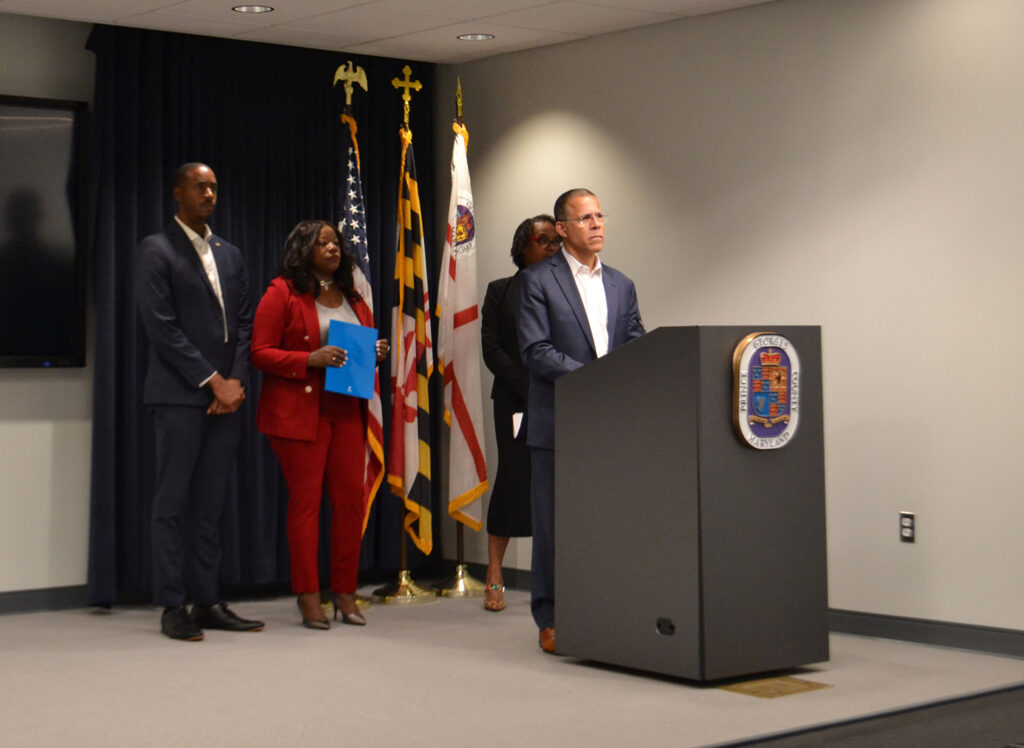
Brown said that housing is a priority for his office. The restitution obtained in the settlement, $11.2 million, is the largest sum the attorney general office’s Consumer Protection Division has obtained for tenants in a case against a housing provider. In May, the office’s Civil Rights Division announced three smaller settlements with landlords accused of housing discrimination.
“We’ll always fight for Marylanders and their right to keep a roof over their head that is not only affordable, but it is quality, it is habitable, it is livable for them and their families,” said Brown.
Some residents only learned about Brown’s fight against Heather Hill, and the resulting settlement, on Thursday.
Tyreana Brittingham was leery of the news. One of only three people left in her nine-unit building, she wants to move from the property, but is unable to afford it. A payment from the landlord would help, she said on Thursday, but she isn’t sure if that will be provided in the settlement.
“They’re just not trustworthy,” Brittingham told Capital News Service.
The landlords only addressed the safety violations at the complex after Brown’s office filed its charges, Brown said at a news conference. After making those changes, the landlords obtained a rental license for the property back in January.
Edward Burroughs III, the Prince George’s County councilmember from District 8, where the Heather Hill apartment complex is located, visited the property earlier this year. He met with several tenants, including a pregnant woman who said her unit was infested with mold.
“I ended up going to her apartment,” Burroughs said at the press conference. “I could not believe what I saw. I was only there for less than five minutes. But by the time I got to my car, I had to take my inhaler, so many times.”
The portion of the restitution money set aside by each tenant will depend on the rent that tenants paid while the property was unlicensed, and rent owed for any period since that time. Former tenants will receive cash payments, while current tenants will receive dollar-for-dollar credits for any unpaid rent incurred since the property became licensed, as well as credit for future payments.
“This dollar-for-dollar credit is significant because for those tenants who don’t owe rent, the pending failure-to-pay-rent actions against them will be dismissed,” said Karen Valentine, deputy chief of the attorney general’s Consumer Protection Division. “That’s over 200 failure-to-pay-rent actions that should be dismissed.”
The company must also take steps to ensure that the landlords’ actions taken while the property was unlicensed will not impact tenants’ ability to seek housing in future.
Heather Hill will no longer be permitted to report rent that went unpaid while the building was unlicensed to credit agencies, and must inform credit agencies that any debt previously reported from that time period has been satisfied. The company will also dismiss pending evictions filed earlier this year, and will request that the court shield failure-to-pay cases filed in June 2024, a period in which the landlords tried to evict over 130 tenants. If a tenant applies to live at another property, Heather Hill is prohibited from sharing rental debt information with their prospective landlord.
“For too long, tenants have been trapped by eviction filings that never should have happened in the first place,” Brown said. “Now we’re helping these families move forward without the cloud hanging over them.”
You must be logged in to post a comment.