
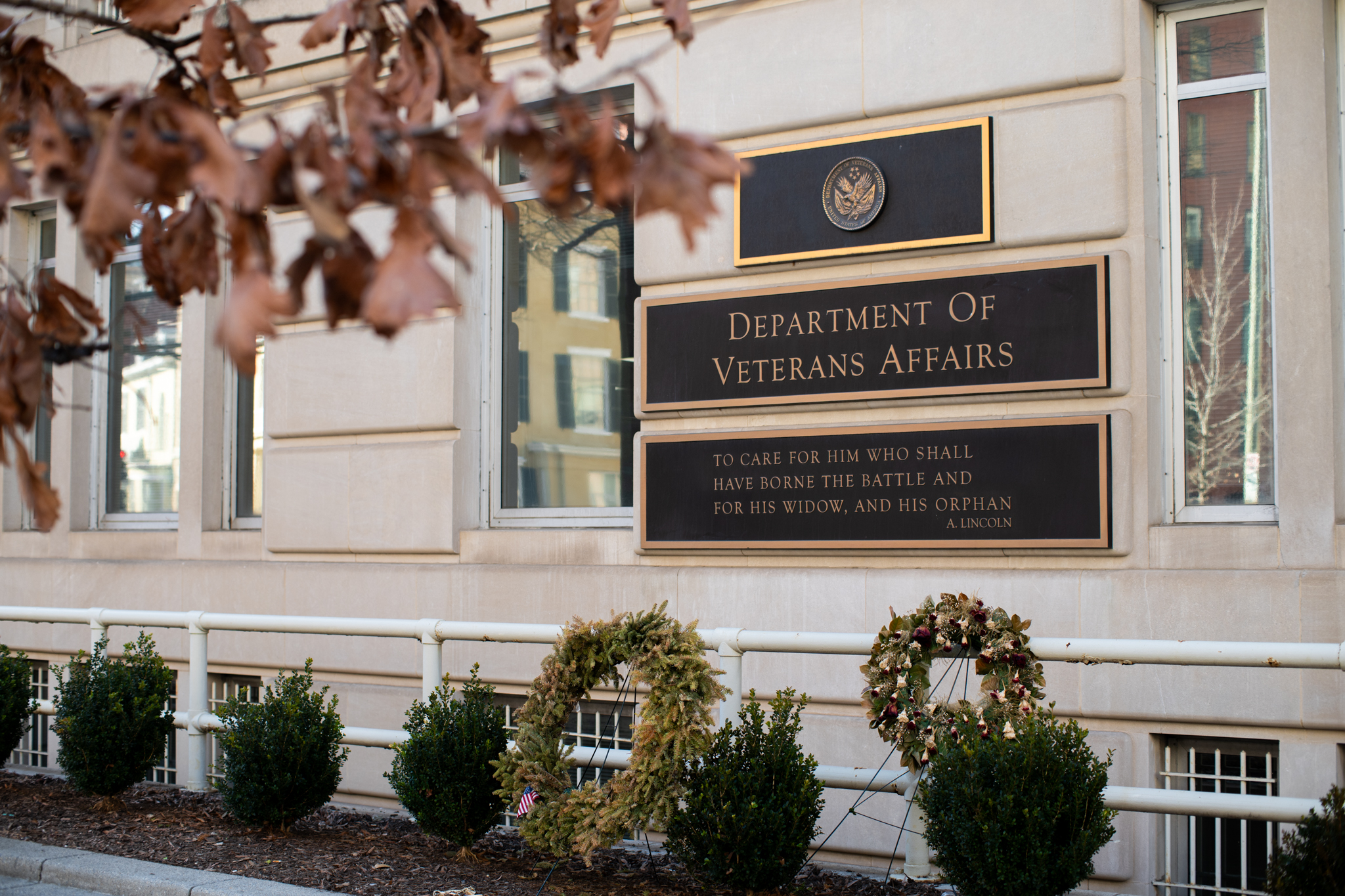
WASHINGTON – The Department of Veterans Affairs is reporting that its backlog of disability compensation and pension benefit claims has moved below 100,000 for the first time since 2020.
“VA’s claims processing productivity is the highest it has ever been, and we look forward to continuing to provide record levels of service to veterans and VA beneficiaries,” VA Secretary Doug Collins said in a press release.
The VA said the backlog has been cut by 63 percent since January 2025.
The department has operated with a backlog as far back as the early 2010s, with the number of pending claims going as high as 883,930 in 2012.
The ballooning number of claims in recent years came from the impact of the pandemic and the influx of veterans applying for benefits after returning to the U.S. from Iraq and Afghanistan, according to a U.S. Government and Accountability Office report issued in 2012.
When the COVID-19 pandemic swept the country in early 2020, the VA had to cease its in-person exams of people with service-related disabilities for two full months. This also contributed to the growing backlog.
As the pandemic began to wind down in summer of 2022, President Biden signed the Honoring our PACT Act. This expanded benefits to veterans impacted by toxic substances, like burn pits, radiological clean-up and Agent Orange, the toxic herbicide the U.S. military used during the Vietnam War.
This further built up the backlog. It more than doubled in one year and continued to rise, eclipsing 400,000 pending claims by the end of 2023. That was the highest point in more than 10 years.
The spike in claims from the PACT Act was similar to a traffic jam – thousands of new applications entered the system at once, slowing processing times until the department increased staffing and output to combat the surge.
After the VA added more personnel and modernized its claims processing system, the impact from the PACT Act plateaued. The agency processed more than 2.5 million claims by the end of 2024.
Together, those changes brought the backlog under control, easing the congestion and allowing traffic to move again after years of gridlock.